



Explore my therapies
Philosophy of Care
My clinical philosophy is grounded in the integration of evidence-based methods with recognized complementary treatments, creating a personalized therapeutic process tailored to the unique needs of each individual. I incorporate EMDR, Sand Tray Therapy, Hypnosis, Qigong, and other holistic modalities to promote post-traumatic healing, emotional regulation, and overall well-being.
My work is guided by a deep commitment to helping individuals reconnect with their authentic selves, cultivate resilience, and achieve inner peace through an integrated, trauma-informed approach. At the heart of my philosophy is the power of presence, the capacity to listen deeply, connect genuinely, and hold a compassionate therapeutic space where transformation can unfold naturally and safely.

Adult Trauma Therapy

I provide specialized psychotherapy for adults who have experienced trauma at any stage of development, including childhood, adolescence, or adulthood. My clinical approach is grounded in a scientifically supported understanding of how trauma affects emotional, cognitive, and relational functioning throughout the lifespan. Drawing on my extensive training and clinical experience, I recognize that the consequences of trauma are not only psychological but also neurobiological and somatic, influencing a person’s sense of safety, capacity for connection, and ability to find meaning.

Informed by Erik Erikson’s psychosocial developmental theory, I view trauma through both a developmental and relational lens. Early experiences of neglect, sexual, physical, or emotional abuse can disrupt the formation of basic trust, autonomy, and initiative, often leading to difficulties with safety, control, and self-worth in adulthood. Traumatic experiences during adolescence may interfere with identity formation and intimacy, resulting in confusion, isolation, or self-protective withdrawal. Traumas encountered in adulthood, such as medical trauma, combat exposure, moral injury, or loss, can challenge an individual’s sense of competence, integrity, and purpose, particularly when earlier developmental foundations have been impacted.
Through a comprehensive and integrative approach, I help my patients process the cumulative effects of trauma. By combining neurobiological understanding, developmental theory, evidence-based treatment, and holistic interventions, I guide individuals in rebuilding trust, autonomy, and connection, fostering post-traumatic growth, emotional regulation, and inner resilience.


Childs Trauma Therapy

I provide specialized psychotherapy for children and adolescents who have experienced trauma, emotional distress, or difficulties in expressing and regulating their emotions. In my work, I integrate Play Therapy and EMDR Sand Tray Therapy, both of which offer developmentally appropriate ways for young patients to process experiences that may be difficult to articulate with words.
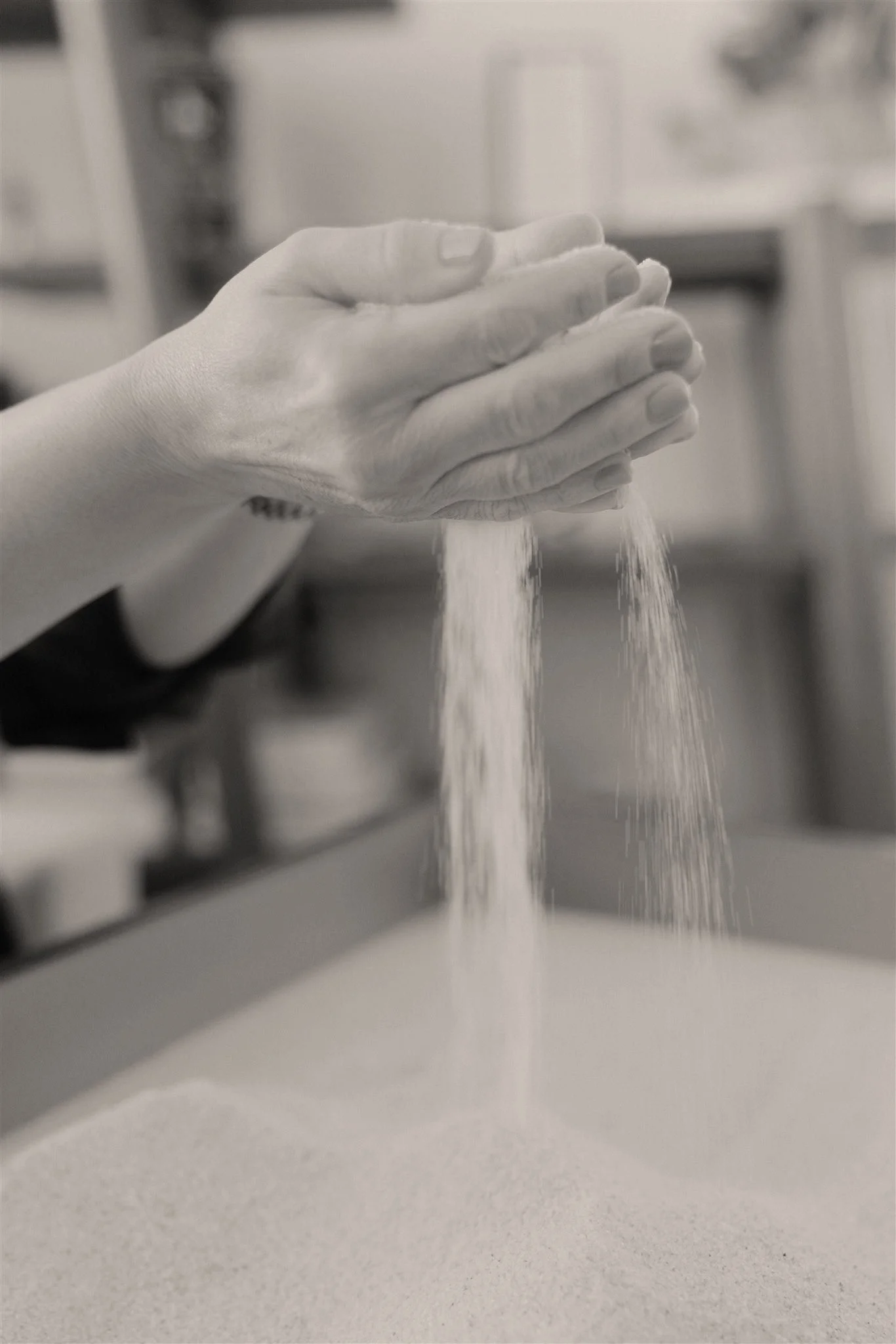
Play Therapy is a well-established therapeutic approach that aligns with the natural way children communicate, learn, and make sense of their world. Through play, children can express their inner experiences, such as fear, sadness, confusion, or anger, in a safe and symbolic way. The toys, figures, and miniature worlds they create become their language, allowing unconscious conflicts, traumatic memories, and emotional pain to surface and be gently processed within a safe and healing environment.
I also apply play-based interventions with adolescents and adults, recognizing that the human capacity for play, imagination, and symbolic expression remains an essential tool for healing throughout life. For many patients, particularly those who have experienced trauma, verbal expression can sometimes feel overwhelming or inaccessible.
In my practice, I utilize Sand Tray Therapy as both an expressive and integrative tool. Sand Tray Therapy is a form of projective therapy in which patients use sand, figures, and symbols to create scenes that represent their inner world. These symbolic expressions bypass verbal defenses and provide access to deeper emotional and sensory memories that may be difficult to express through words alone. When combined with Eye Movement Desensitization and Reprocessing (EMDR), this approach enhances the brain’s ability to process traumatic memories on both cognitive and somatic levels, promoting deeper integration, insight, and emotional release.
I have completed extensive advanced training, including several hours of specialized education in EMDR-integrated Sand Tray Therapy. This allows me to adapt the modality to the developmental and emotional needs of each patient. Through this approach, I help individuals of all ages transform unspoken pain into healing narratives, rebuilding a sense of safety, trust, and connection.
My work is grounded in the understanding that we are all born with an innate play system, a natural drive toward creativity and healing that remains with us throughout life. By honoring this essential aspect of human nature, I support my patients in restoring balance, cultivating resilience, and achieving meaningful and lasting growth.

Maui: Healing After
Pregnancy and Birth Trauma

The name Maui holds a very special meaning for me. It was the name I had chosen for my baby from a pregnancy I sadly lost, an experience that profoundly deepened my understanding of emotional pain, resilience, and the transformative power of healing. Through this personal journey, I developed a heartfelt commitment to supporting women and families who have faced pregnancy or birth-related loss.

Pregnancy loss can be a deeply distressing experience that affects not only the woman but also her partner and family. It can lead to grief, sadness, anxiety, and post-traumatic symptoms, as well as feelings of disbelief, guilt, shame, inadequacy, or self-blame. It may also bring fears about the future or challenge one’s sense of identity and femininity. Even when we are strong women, such loss can reach the deepest parts of our hearts, and acknowledging that pain is, in itself, an act of strength.
I approach these experiences with compassion and clinical care. I specialize in addressing the psychological effects of medical trauma, pregnancy loss, and birth trauma, providing a safe and nurturing space where emotional healing can unfold at each individual’s pace.
Using Eye Movement Desensitization and Reprocessing (EMDR), a research-supported method for treating trauma, I help patients process the emotional pain associated with pregnancy or birth trauma and regain a sense of safety, connection, and balance. My integrative approach blends evidence-based treatment, mind–body awareness, and holistic healing practices to support each woman’s unique path toward restoration and inner peace.
Through this work, Maui has become a symbol of remembrance, love, and the enduring strength of the human spirit to heal, grow, and find meaning even after profound loss.
Frequently Asked Questions
Still have questions? Take a look at the FAQ or reach out anytime. If you’re feeling ready, go ahead and contact me.
-
EMDR (Eye Movement Desensitization and Reprocessing) is a structured, trauma-focused psychotherapy designed to help traumatic memories become less emotionally activating and more fully integrated into your broader life story. It is widely recognized as a first-line treatment for PTSD in major clinical guidelines.
What “working on trauma” looks like in EMDR?
EMDR follows an 8-phase protocol (history/treatment planning, preparation, assessment, desensitization, installation, body scan, closure, reevaluation).
In the trauma-processing phases, you briefly bring up a target memory (often with an image, negative belief, emotions, and body sensations) while also doing bilateral stimulation (guided eye movements, tapping or alternating tones).
This “dual attention” (part of you notices the memory, part of you stays grounded in the present) helps the memory shift from feeling current and dangerous to feeling past and survivable.
What changes for the patient?
People often report that the memory becomes:
less vivid
less emotionally intense
less “stuck” in the body (reduced somatic activation)
and that more adaptive perspectives can emerge (for example, moving from “I am not safe” to “I am safe now,” or from “It was my fault” to “I did the best I could”).
How it may work (mechanisms, in plain language)?
The most supported explanations include:
Working memory / dual-task effect: eye movements (or another dual task) load working memory while recalling the trauma, which can reduce the memory’s vividness and emotional punch.
Adaptive reprocessing/integration: EMDR is framed as helping the brain link the traumatic memory with more adaptive information so it can be stored in a less distressing way.
Multiple interacting processes: reviews note several plausible contributors (e.g., orienting response, emotion regulation shifts), and emphasize that bilateral stimulation’s role has been studied extensively and remains an active area of research.
What the evidence says (high level)?
EMDR is one of the most studied trauma treatments for PTSD and is recommended in multiple guidelines; meta-analyses show meaningful symptom reductions versus control conditions.
-
Sessions are offered both in person and online. I provide telehealth for patients who need flexibility, prefer meeting remotely, or want continuity of care when schedules or circumstances make in person sessions difficult.
That said, I prefer in person sessions whenever possible because they support the depth of my humanistic and integrative work. In person psychotherapy allows for a stronger sense of presence and connection, and it makes it possible to incorporate experiential, mind body elements that are difficult to replicate on a screen. This includes sandtray work, which can help externalize inner experiences, access implicit memories, and create a grounded, symbolic way to process what feels hard to put into words. In person sessions also give us more options for pacing and regulation, using the room as a safe container to support nervous system stability and the integration of insight, emotion, and somatic awareness.
If in person sessions are not feasible, online psychotherapy can still be effective. We can adapt the work thoughtfully, focusing on stabilization, resourcing, and trauma informed psychotherapy while honoring your comfort and pace.
-
The fee is $250 per session. Payment is made at the end of each psychotherapy session. Patients may pay by credit card or cash.